Uplifting the mauri of our waterways
Ōtara Waterways and Lake Trust restores and cares for streams across the Ōtara catchment, improving stream health and supporting the long-term recovery of the wider waterways.
Our Stream Team looks after over two dozen stream sites within the catchment, guided by a long-term vision to uplift the mauri of the waterways and create healthier, more resilient environments for people and nature. We focus on practical, hands-on management that supports streams to recover and thrive over time.
Our mahi is ongoing and includes removing invasive weeds, replanting stream edges with native grasses, shrubs and canopy trees, and providing ongoing care to help plants grow strong. Since 2016, we’ve planted over 200,000 native plants, rebuilding streamside habitats and reconnecting ecosystems throughout the catchment.
Our work follows the natural flow of water, recognising that caring for streams upstream protects waterways downstream.
.jpg)
Why restoration matters
Healthy streams support healthy communities. Well-planted stream margins protect water quality, increase habitat for native wildlife.
Native planting shades our waterways and supports biodiversity: birds, insects and freshwater fish benefit from cooler greener spaces, and these become more welcoming spaces for people to enjoy. Planting beneficial native species along streams helps stabilise banks and reduce erosion. Over time, this restoration helps streams adapt to environmental pressures and climate change, ensuring they remain vibrant places for future generations.

Case study - Salford Park
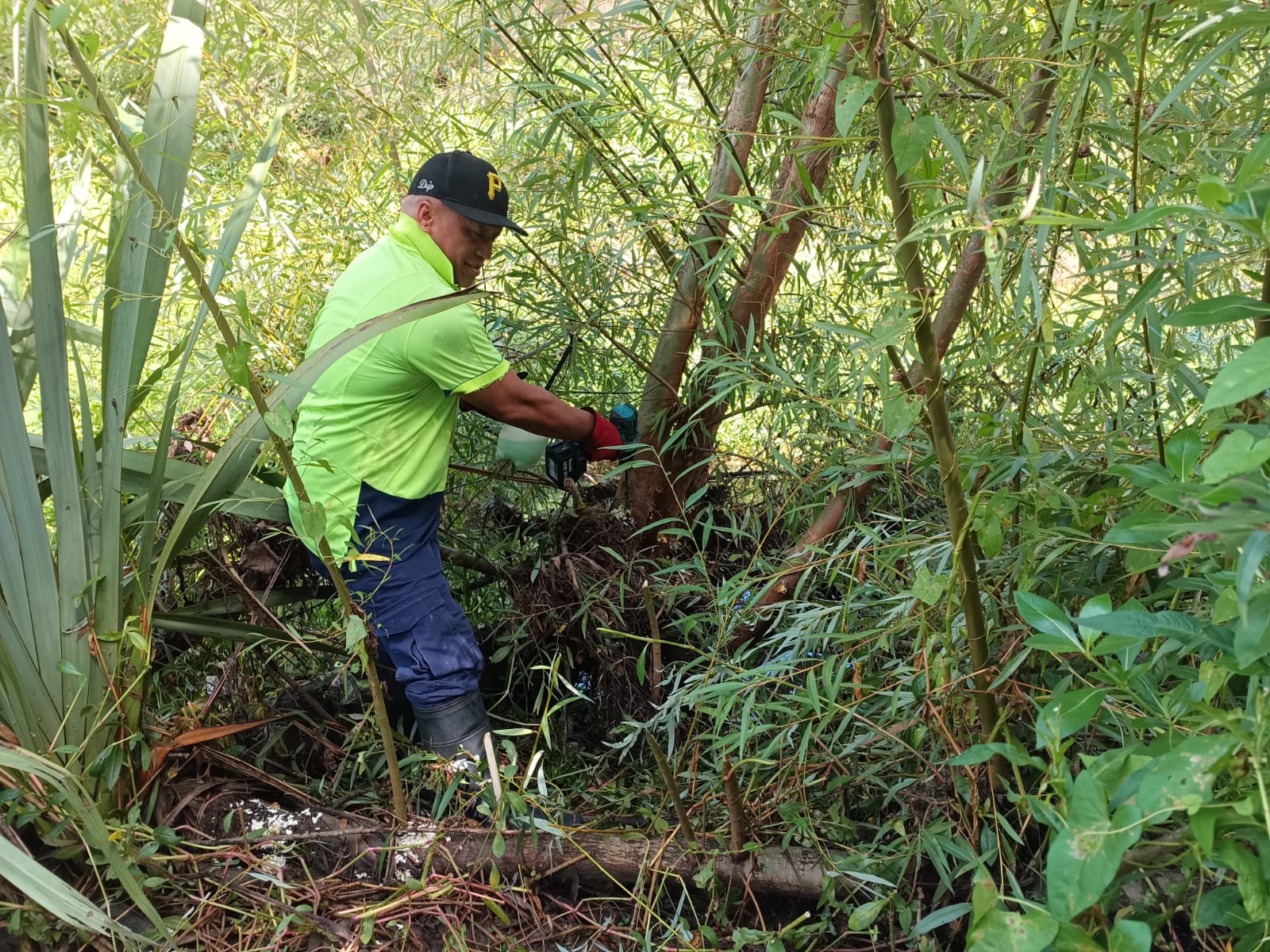
Salford Park is a modified urban stream in the Flat Bush greenfingers network that was overrun with invasive weeds, leaving little space for native plants or freshwater life. Since 2020, the Trust has worked alongside communities to bring this stream back to life. Through large-scale native planting, weed removal and ongoing maintenance, the area has been transformed into a healthier, more welcoming waterway.
Almost 20,000 native plants now grow across 17,000 m² of stream margin, replacing gorse, woolly nightshade, blackberry, pampas and willows. A wider, greener stream edge protects the awa, improving habitat for birds, insects and fish, and helping the stream better cope with high water flows — ensuring Salford Park can be enjoyed for years to come.
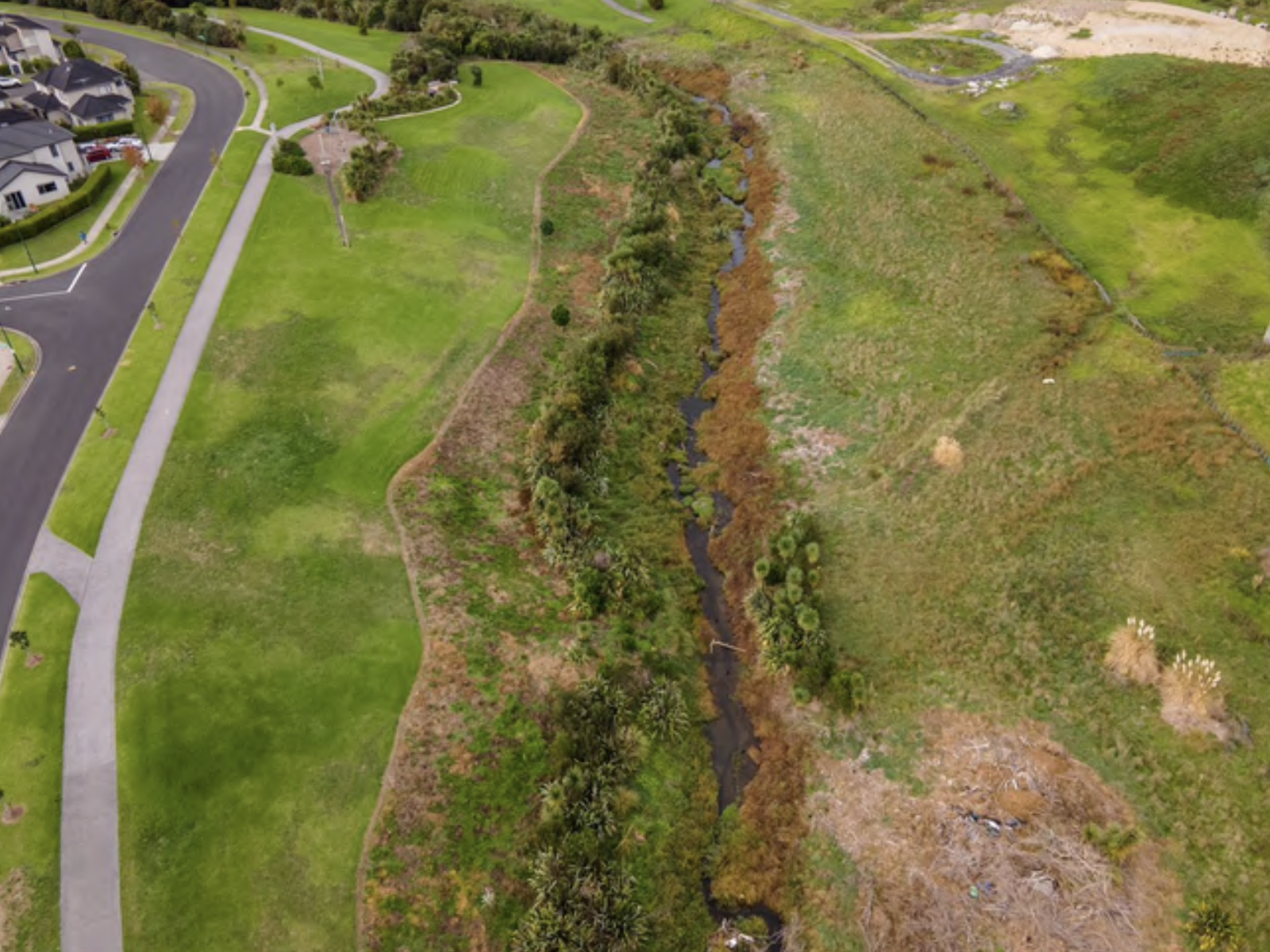

Left: Aerial view of Salford Park restoration area, 2022. Right: Stream Team planting 1,100 native trees and shrubs at Salford Park

Aerial view of Salford Park restoration area, 2023
Restoring our community’s sense of pride and connection
The Trust delivers place-based restoration programmes across Ōtara and Flat Bush that bring people closer to their local waterways.
Our mahi creates welcoming opportunities for people to reconnect with streams, learn about the challenges they face, and take part in caring for them together. We design our programmes to reflect the rich cultural diversity of the catchment, ensuring everyone can participate in ways that feel meaningful and accessible.
Our Community Coordinators, Kaitakawaenga and Stream Team work side by side to engage community groups and local residents, as well as schools and local businesses. We guide tree planting and hands-on restoration experiences; weed clearing and stream care activities; plus guided walks, educational sessions and support with citizen science projects.
These activities connect our restoration work with learning and participation, building shared responsibility for healthy waterways.

When our waterways flourish, our people flourish
When people get involved with caring for their local stream, they build stronger connections and a sense of responsibility to place, to each other, and to the environment. Community involvement empowers our residents to become kaiāwhina, helping our awa to thrive.
Stream restoration supports not only environmental health, but community wellbeing, pride and belonging. By instilling pride in our surroundings and environmental achievements, restoration becomes part of our identity and everyday life, creating lasting care of our waterways for future generations.
Case Study – Medvale Reserve
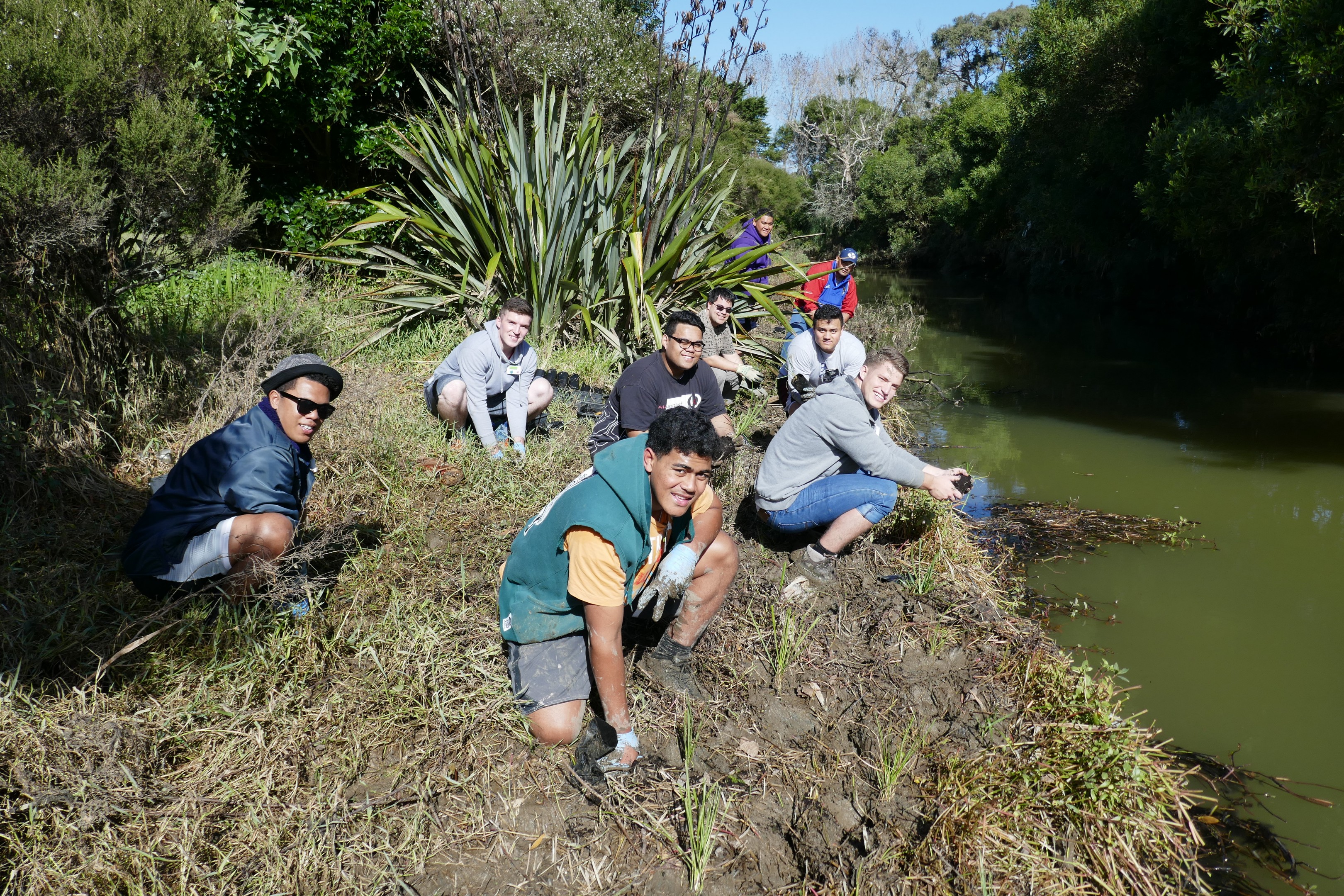
Medvale Reserve is a key stream restoration site within the Ōtara catchment, where invasive weeds, erosion and blockages have put pressure on water flow and habitat health. With the help of local residents, targeted weed control, community-led plantings and clean-up days have contributed to steadily improving stream health and resilience.
In 2024–25, volunteers removed 18 bags of inorganic rubbish plus a skip-full of green waste, as well as planting 500 native plants to strengthen the floodplain and stream margins. Mānuka and kānuka are hardy colonisers, helping stabilise soil. Koromiko attracts pollinators with its beautiful flowers. Māpou and māhoe grow quickly, adding layers to the canopy and boosting habitat for birds and insects.
Events like this not only assist with the stream recovery, but also create opportunities for neighbours to see the real impact of caring for their awa, strengthening long-term care of the site.

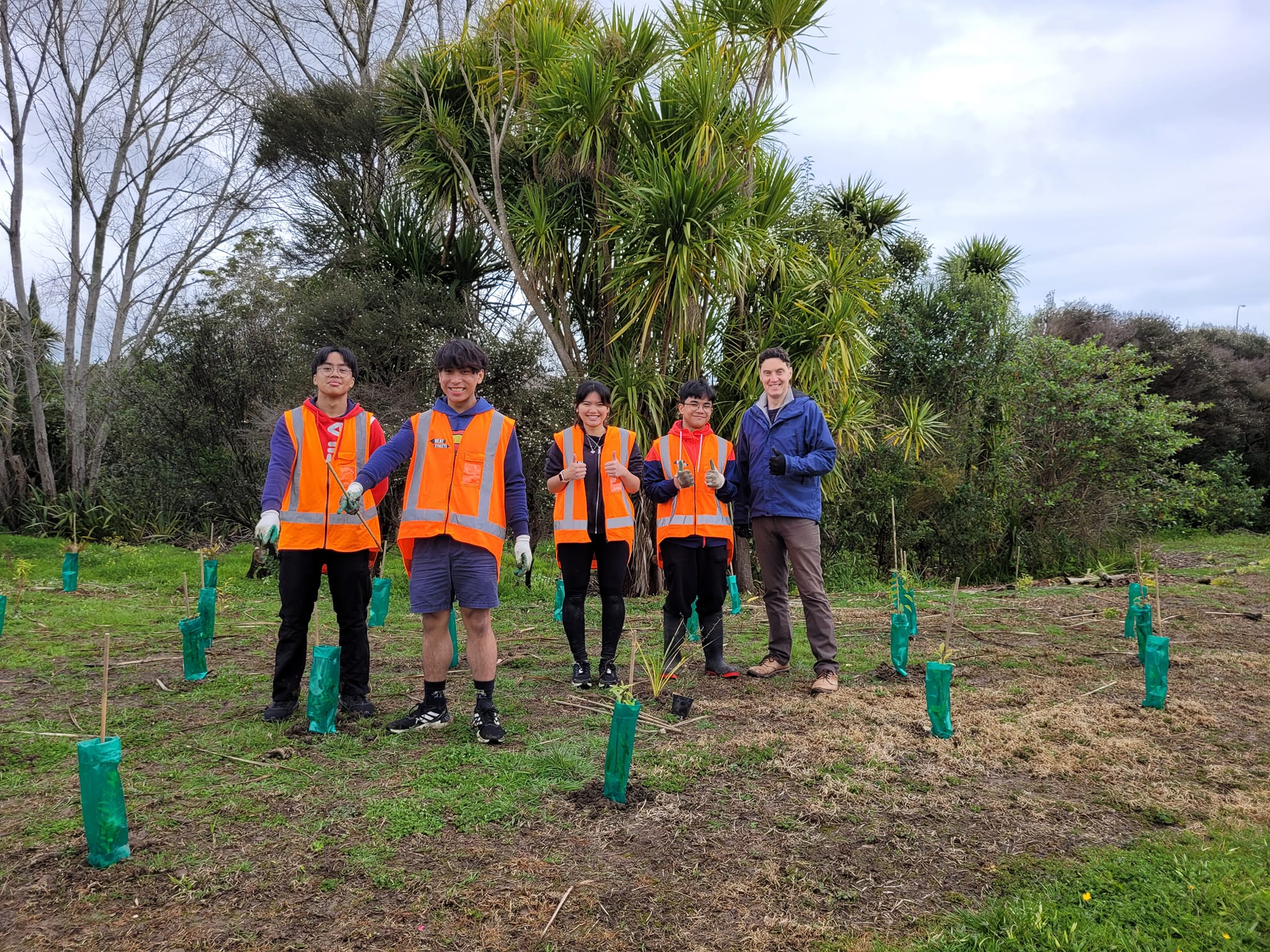
Medvale Reserve Planting Day